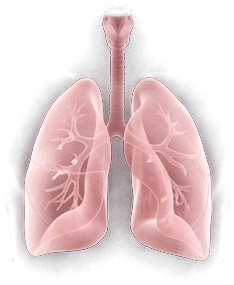
Foods that feed your lungs
Oxygen exchange & capacity. PeakPie scores the lungs on 7 nutrients; Vitamin C, Vitamin E, Selenium count most. Below: the everyday ingredients that score highest for your lungs in one portion, then what each nutrient is for and what may lawfully be claimed about it.
The best everyday ingredients for your lungs, by kind
VEGETABLES
- Water spinach160 g · Vitamin C and Magnesium29
- Green papaya160 g · Vitamin C and Magnesium28
- Red pepper60 g · Vitamin C and Beta-carotene27
- Broccoli100 g · Vitamin C and Magnesium26
FRUIT
- Kiwi80 g · Vitamin C and Vitamin E25
- Mango120 g · Vitamin C and Beta-carotene17
- Strawberries80 g · Vitamin C and Vitamin E15
- Melon80 g · Vitamin C and Beta-carotene13
FISH, MEAT AND EGGS
- Sea bass165 g · Selenium and Omega-3 EPA+DHA25
- Cod150 g · Selenium and Omega-3 EPA+DHA23
- Lamb kidneys90 g · Selenium and Vitamin C23
- Yellowtail120 g · Selenium and Vitamin C16
NUTS, SEEDS AND OILS
- Brazil nuts20 g · Selenium and Magnesium22
- Sunflower seeds20 g · Vitamin E and Selenium15
- Almonds30 g · Vitamin E and Magnesium13
- Almond butter30 g · Vitamin E and Magnesium9
GRAINS AND STARCHES
- Wholewheat pasta65 g · Selenium and Magnesium20
- Sweet potato85 g · Beta-carotene and Vitamin C14
- Couscous60 g · Selenium and Magnesium14
- Orzo60 g · Selenium and Magnesium13
BEANS AND PULSES
- Chickpeas110 g · Selenium and Vitamin E15
The number is the lungs score one realistic portion earns on an otherwise empty day, out of 100, against PeakPie's adult daily targets. A portion is the serving the healthy kitchen standard allows where it sets one (a 30 g handful of almonds, 15 g of olive oil), else what one serving of PeakPie's own recipes typically uses, never a cup of it. The list shows the best 4 of each kind so it isn't all fish (a kind appears when its best scores at least 10), and only foods, never stocks, sauces, herbs, spices or sweeteners: a food is listed only if the lungs is among the four organs it feeds most and it scores at least 6, and only if it keeps to the healthy kitchen standard: not an ingredient the standard bans (cured and processed meats, crab sticks, white bread, cream), not a food the catalogue flags as ultra-processed, within any cap the standard sets on it, and under 7 g of saturated fat, 2.5 g of salt and 5 g of added sugar a portion, with no alcohol. Ties go to the food with less salt and saturated fat. The foods are the everyday ingredients PeakPie cooks with; ready meals and the branded catalogue are left out.
What your lungs is scored on
Vitamin C
25% of the score · target 83mg a dayA water-soluble antioxidant your body can't make or store. It builds collagen, helps absorb plant iron, and keeps immune cells firing.
The register authorises claims for vitamin c, but none names the lungs. PeakPie's weighting follows the wider evidence; it is not a health claim.
Vitamin E
20% of the score · target 15mg a dayA fat-soluble antioxidant that sits inside cell membranes and shields them — especially in skin, heart, and lungs — from oxidative damage.
The register authorises claims for vitamin e, but none names the lungs. PeakPie's weighting follows the wider evidence; it is not a health claim.
Selenium
18% of the score · target 55mcg a dayA trace mineral built into your antioxidant enzymes — including the ones that protect the liver and activate thyroid hormone.
The register authorises claims for selenium, but none names the lungs. PeakPie's weighting follows the wider evidence; it is not a health claim.
Beta-carotene
12% of the score · target 6,000mcg a dayThe orange pigment plants use for sun protection. Your body converts it into vitamin A and deploys it as an antioxidant in lungs and skin.
No authorised health claim exists for beta-carotene in the GB register. PeakPie's weighting follows the wider evidence; it is not a health claim.
See what your whole day does
PeakPie scores every meal you log against all eleven body systems, so you can see which ones today fed and which ones it left short. Free, no card, under a minute to set up.
Show me my body