Dark chocolate
20 g of dark chocolate is 120 kcal and mainly feeds your heart, immune and brain.
PER 20 G AS BOUGHT · 120 KCAL
The portion is the serving PeakPie's healthy kitchen standard allows for this ingredient (70%+).
Not on the organ lists.Stocks, sauces, herbs, spices and sweeteners flavour a dish rather than feed you, so they are never offered as best ingredients, whatever they score.
What it feeds

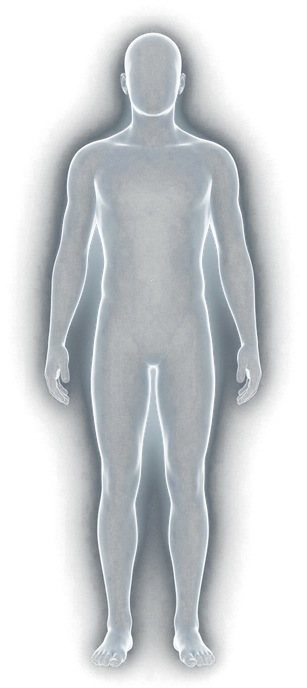



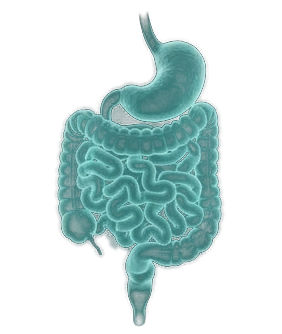
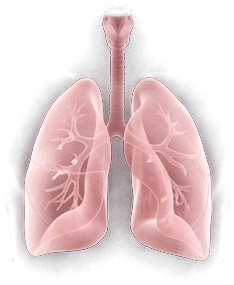

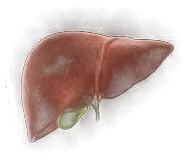

The score is what this one portion would do for the organ on an otherwise empty day, against PeakPie’s daily targets for an adult aged 19 to 50 (protein at 70 kg). Your own targets in the app follow your age, sex, weight and activity.
What’s in 20 g
| NUTRIENT | AMOUNT | OF A DAY |
|---|---|---|
| Copper | 0.4mg | 39% |
| Polyphenols | 340mg | 34% |
| Iron | 2.4mg | 18% |
| Magnesium | 46mg | 12% |
| Monounsaturated Fat | ~2.6g | 10% |
| Phosphorus | 62mg | 9% |
| Zinc | 0.7mg | 7% |
| Fiber | 2.2g | 7% |
| Potassium | 143mg | 5% |
| Protein | 1.6g | 3% |
| Selenium | 1.4mcg | 2% |
Watch out
- Saturated fat4.9g · 25% of the UK reference intake
- Sugars4.8g · 5% of the UK reference intake
- Salt0g · <1% of the UK reference intake
What may be claimed
Dark chocolate is a source of Copper, Iron, Magnesium, Monounsaturated Fat, Phosphorus, Potassium, Zinc. These are the authorised wordings from the GB Nutrition and Health Claims Register for those nutrients, the only health claims anyone may make about this food.
Copper
- Copper contributes to normal function of the immune system.
- Copper contributes to maintenance of normal connective tissues.
- Copper contributes to normal iron transport in the body.
A trace mineral that helps immune cells mature, moves iron around the body, and cross-links the collagen in connective tissue.
Iron
- Iron contributes to normal cognitive function.
- Iron contributes to the normal function of the immune system.
- Iron contributes to normal oxygen transport in the body.
- Iron contributes to normal formation of red blood cells and haemoglobin.
- Iron contributes to a reduction of tiredness and fatigue.
The core of hemoglobin, the protein that carries oxygen in your blood. Low iron means less oxygen delivered — and flagging energy.
Magnesium
- Magnesium contributes to the maintenance of normal bones.
- Magnesium contributes to normal muscle function.
- Magnesium contributes to normal psychological function.
- Magnesium contributes to normal functioning of the nervous system.
- Magnesium contributes to electrolyte balance.
- Magnesium contributes to a reduction of tiredness and fatigue.
More foods for your heart
ALL FOODS FOR YOUR HEART →See what your whole day does
PeakPie scores every meal you log against all eleven body systems, so you can see which ones today fed and which ones it left short. Free, no card, under a minute to set up.
Show me my body