Fish fingers
120 g of fish fingers is 332 kcal and mainly feeds your brain, liver and heart.
PER 120 G AS BOUGHT · 332 KCAL
No PeakPie recipe uses this ingredient yet, so the portion is a typical serving for its kind.
Not on the organ lists.This ingredient is not in PeakPie's kitchen: coated, fried, processed, so it is never offered as a best ingredient, whatever it scores.
What it feeds

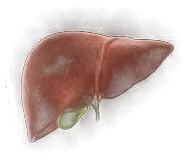

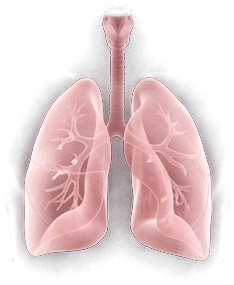




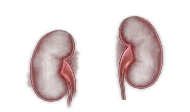

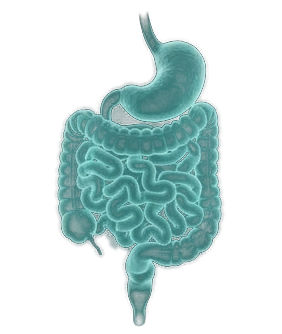
The score is what this one portion would do for the organ on an otherwise empty day, against PeakPie’s daily targets for an adult aged 19 to 50 (protein at 70 kg). Your own targets in the app follow your age, sex, weight and activity.
What’s in 120 g
| NUTRIENT | AMOUNT | OF A DAY |
|---|---|---|
| Omega-3 EPA+DHA | 166mg | 66% |
| Vitamin E | 8.3mg | 55% |
| B12 | 1.2mcg | 48% |
| Selenium | 19mcg | 34% |
| Phosphorus | 229mg | 33% |
| Protein | 13g | 24% |
| Omega-3 ALA | 0.3g | 21% |
| Choline | 51mg | 11% |
| Magnesium | 30mg | 8% |
| Copper | 0.1mg | 8% |
| Iron | 1mg | 8% |
Watch out
- Saturated fat4.5g · 22% of the UK reference intake
- Salt1.2g · 20% of the UK reference intake
What may be claimed
Fish fingers is a source of Omega-3 EPA+DHA, Phosphorus, Protein, Selenium, B12, Vitamin E. These are the authorised wordings from the GB Nutrition and Health Claims Register for those nutrients, the only health claims anyone may make about this food.
Omega-3 EPA+DHA
- EPA and DHA contribute to the normal function of the heart. The beneficial effect is obtained with a daily intake of 250 mg of EPA and DHA.
- DHA contributes to maintenance of normal brain function. The beneficial effect is obtained with a daily intake of 250 mg of DHA.
- DHA contributes to the maintenance of normal vision. The beneficial effect is obtained with a daily intake of 250 mg of DHA.
Long-chain omega-3 fats from marine foods. DHA is a building block of brain-cell membranes; together with EPA it supports heart rhythm, mood, and calming inflammation.
Phosphorus
- Phosphorus contributes to the maintenance of normal bones.
- Phosphorus contributes to normal energy-yielding metabolism.
Calcium's partner in bone mineral, and the P in ATP — the molecule every cell spends as energy.
Protein
- Protein contributes to a growth in muscle mass.
- Protein contributes to the maintenance of muscle mass.
- Protein contributes to the maintenance of normal bones.
The amino-acid supply for building and repairing muscle — and for every enzyme, antibody, and hormone your body assembles.
Selenium
More foods for your brain
ALL FOODS FOR YOUR BRAIN →See what your whole day does
PeakPie scores every meal you log against all eleven body systems, so you can see which ones today fed and which ones it left short. Free, no card, under a minute to set up.
Show me my body